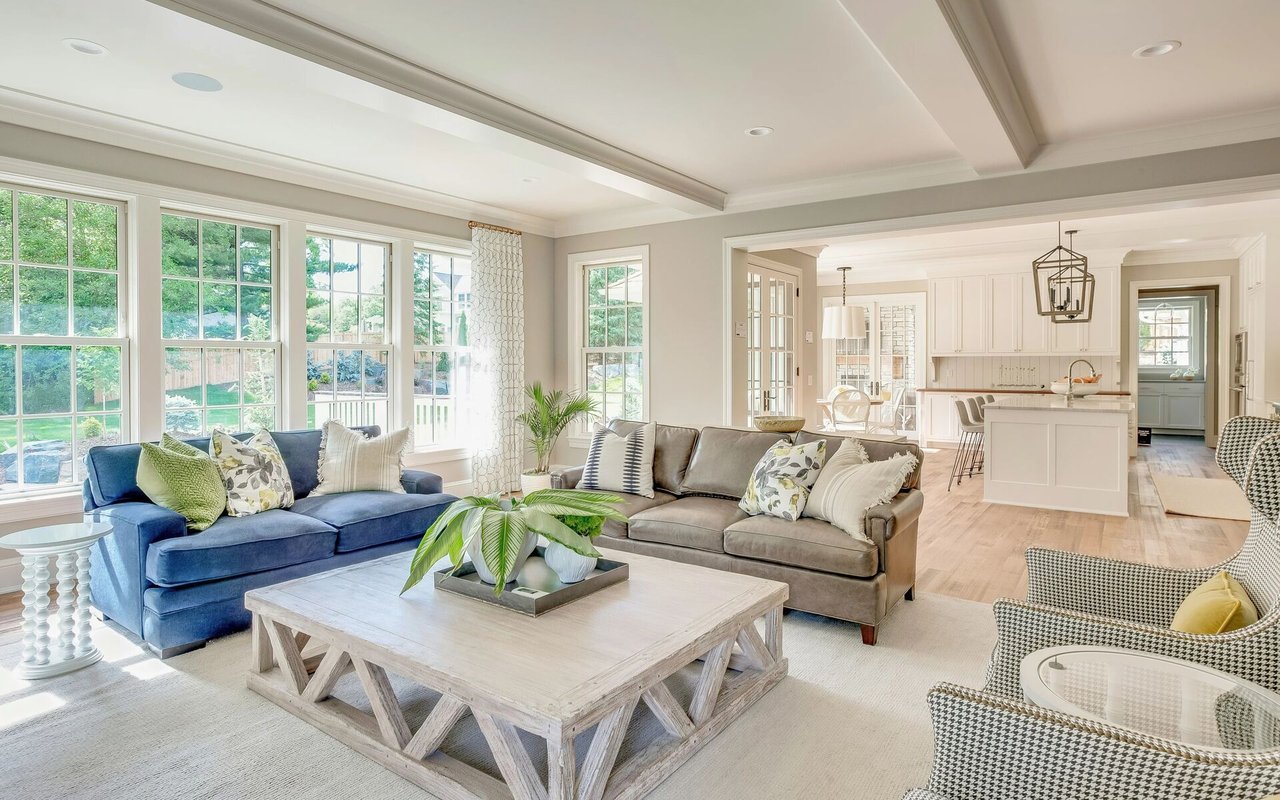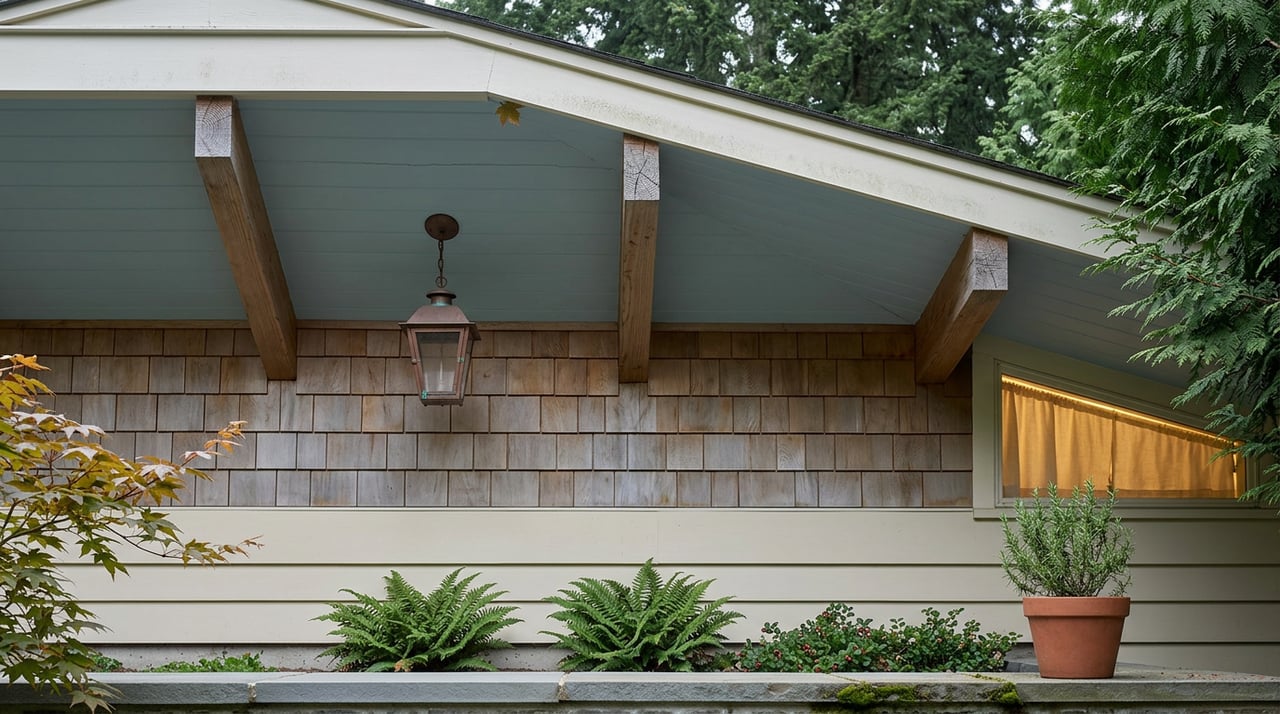
Two homes sit forty feet apart on the beach side of SW 172nd. Both have a cabana. Both have a bulkhead. Both list within a few weeks of each other in a market where, per Redfin's Three Tree Point tracker, homes go pending in roughly sixteen to seventeen days and hot ones sell about one percent over list in five. One closes clean. The other loses its buyer during title review.
The difference has almost nothing to do with view, finish, or staging. It has to do with an eighty-foot line drawn on a 1907 plat, a phrase in the deed about tidelands, and a January 2026 council vote that most buyers still misread. Three Tree Point rewards the diligence that happens before the offer, not the diligence that happens during the inspection period.
The eighty-foot line on SW 172nd
The beach-side stretch of SW 172nd looks like private waterfront. Much of it is not. The city's position is that the public right-of-way is eighty feet wide, encompassing not just the paved fifteen-foot roadway itself but also the beach on its south side. That reading is grounded in the original Seacoma Beach plat, whose dedication language expressed the owners' intent to dedicate an eighty-foot-wide strip known as "Seacoma Boulevard" for public use.
The practical consequence for a transaction is unusual. Dozens of unpermitted beach cabanas, detached garages, and other permanent structures along the third-of-a-mile stretch are, in the city's view, illegal, and Burien's Public Works director may order their removal. The city has also been explicit about the signage that often accompanies these structures. In its letter, the City suggested the "Private Property" and "No Trespassing" signs are themselves unlawful.
There is a cure path, and it is worth naming because appraisers and title officers will ask about it. If right-of-way use permits were to be granted, they would likely be under a Type F permit application, which may allow an obstruction in the right-of-way until Burien requests its removal, conditioned upon the property owner's ongoing responsibility for any loss or injury. A Type F permit does not convert public right-of-way into private land. It is a revocable license. For a buyer expecting a permanent cabana and a permanent driveway apron, that distinction matters.
What the deed actually conveys
The second question a Three Tree Point buyer should ask, before writing an offer, is whether the deed conveys tidelands at all. Listings on the point read alike, and both bluff parcels and no-bank sandy parcels use the same words about sunsets and Olympics. The difference is on the title report.
Some Three Tree Point parcels convey what a recent listing described as a sandy beach and forty feet of private tidelands. Others convey a view lot with an upland lawn and a set of stairs to public beach. Both are lovely. They are not the same asset, and they should not command the same price per foot of frontage.
The point also carries an ecological overlay that a buyer with a shellfish or dock plan should verify. Adjacent shellfish growing areas around Three Tree Point are classified as Approved as of 2024 by the Washington State Department of Health, indicating clean waters suitable for commercial and recreational harvesting of clams and oysters. A dock, a mooring buoy, and any bulkhead work sit on top of Burien's Shoreline Master Program and Critical Areas rules, both of which apply independently of the underlying zoning.
What the January 2026 vote actually settled
A widespread misreading in current buyer conversations is that Three Tree Point was "downzoned back to single family" this year. It was not.
Here is the sequence. In a 5-2 vote in September 2025, the Burien City Council put a rollback of zoning changes on its 2026 to-do list; the earlier framework went further than the state-mandated baseline for a city of Burien's size, and under 2023's House Bill 1110, Burien has to allow at least two units on all residential lots, but the areas in question had a new baseline of four units, with another two able to be added if they meet requirements for affordability or are close to frequent transit, and with an incentive to preserve existing houses, property owners could ultimately assemble seven units per lot.
Then the November election changed the council. Broad decreases in potential housing density across three of Burien's most exclusive neighborhoods will not advance, following a 4-3 vote at the Burien City Council early this week; the narrow decision reversed the 5-2 vote to advance the idea last fall. Independent confirmation from the Seattle King County REALTORS association is unambiguous: a new city council majority voted to reject a proposed down-zone on January 26, 2026, and one councilmember indicated the issue is now "off the table."
The four-unit R-3 baseline, with the affordability and preservation bonuses that reach seven, is still on the ground on many Three Tree Point lots. What restrains it is not zoning. It is the shoreline and critical areas overlay that sits on top. Burien's Community Development Director framed it plainly at last October's council meeting: "The Shoreline Master Program is a separate document from the Comprehensive Plan, and it regulates how you can develop on specific pieces of property that are near the shoreline. And so it is something that goes on top of any other zoning regulations or ordinances. The Comprehensive Plan gives a big overview of what type of development you can have in different areas of the city."
For a buyer, the practical read is that a Three Tree Point lot's development ceiling is a two-part question, not one. Zoning sets a theoretical maximum. Shoreline and critical areas set the achievable one. Both belong in feasibility before an offer, not after.
There is also an active docket to watch. During its June 29, 2026 meeting, the Burien City Council heard presentations on potential updates to the Comprehensive Plan, which can be updated once per year, and the Comp Plan updates include some zoning changes at Three Tree Point and Lake Burien.
A pre-offer sequence for Three Tree Point
The point is not that these homes are difficult. It is that the order of operations here is different from the rest of Burien. On a typical inland lot, title, survey, and zoning questions are handled during the inspection period. On the beach side of SW 172nd, they belong in the days before you write.
- Pull the plat and confirm whether the parcel is inside the historic Seacoma Beach dedication. If it is, the beach in front of the home is likely public right-of-way, not part of the parcel.
- Ask the listing side, in writing, whether any cabana, garage, patio, or bulkhead has a current Type F right-of-way use permit issued by the City of Burien. A "yes, we've always had it" is not the answer to that question.
- Read the vesting deed for the phrase that conveys tidelands. If the deed conveys only upland, price the parcel as a view lot with beach access, not as a private-beach parcel.
- If a dock, buoy, or bulkhead repair is part of the plan, confirm the parcel's Shoreline Master Program designation and any Critical Areas overlay before removing feasibility contingencies.
- If a future ADU, DADU, or additional unit is part of the plan, run the zoning question through the shoreline overlay, not against the R-3 baseline in isolation.
Three friction patterns we watch for
| Pattern | Where it shows up | What it changes at closing |
|---|---|---|
| Cabana or detached garage sits inside the eighty-foot ROW without a Type F permit | Title review, survey, city records request | Removal exposure sits with the new owner; some lenders and insurers push back |
| Deed conveys upland only; beach in front is public | Vesting deed, plat, title commitment | Comparable pricing against no-bank tideland parcels overstates value |
| Buyer plans an ADU or added unit under R-3 | Feasibility, shoreline consultation | Shoreline Master Program and Critical Areas can compress the buildable envelope well below the zoning ceiling |
A short FAQ
Did Burien roll back the zoning at Three Tree Point in 2026? No. The proposal to roll back the added density in Three Tree Point, Lake Burien, and Seahurst was rejected 4-3 on January 26, 2026. The R-3 baseline of four units per lot, with bonuses that can reach seven, remains in effect on the affected lots, subject to shoreline and critical areas rules.
Is the beach in front of my home mine? It depends on the deed and the plat. On the south side of the point, along SW 172nd, much of what looks like private beach sits inside an eighty-foot public right-of-way established by the 1907 Seacoma Beach dedication. Some parcels elsewhere on the point do convey private tidelands. The title report is the answer, not the fence line.
We have had a cabana on the beach for decades. Is it grandfathered? The City's position is that unpermitted permanent structures in the right-of-way are unlawful regardless of age, and that the cure, where one is available, is a Type F right-of-way use permit, which is revocable. Any seller with a cabana or detached structure on the beach side should expect this question from a well-represented buyer.
Is the neighborhood still a normal, fast market? Yes. Per Redfin's Three Tree Point tracker, homes typically go pending in roughly sixteen to seventeen days, with the most competitive listings selling around one percent above list in about five days. The diligence sequence above is not a warning about the market. It is the reason the market clears cleanly for the buyers who do it in the right order.
If you are weighing an offer on Three Tree Point, or preparing a beach-side home to list, the diligence sequence above is where we start every conversation. Porter Group works these questions to ground before an offer is written, so the inspection period is spent on the house, not on the plat. Contact us to talk through your specific parcel.